A quiet notification pings on a smartphone overlooking the Brévent slopes. Within seconds, a buyer in London is walking through a sunlit penthouse via a 3D tour-before it’s even listed publicly. This isn’t the future of alpine real estate. It’s happening now. The way high-end buyers discover property in Chamonix has shifted: digital access meets deep local insight. And in a market where location, light, and legacy define value, knowing what to prioritize can make all the difference.
The essential criteria for your Chamonix property search
Location and mountain views
When searching for an apartment in Chamonix, orientation and access are non-negotiable. A south-facing balcony doesn’t just offer warmth-it delivers extended daylight in winter, a rare luxury in alpine valleys. Proximity to the Brévent or Grands Montets lifts means ski-in/ski-out convenience, especially crucial during peak season. Neighborhoods like Les Praz provide direct access to the Vallée Blanche, while Chamonix Sud offers quieter streets with reliable shuttle links. But beyond logistics, it’s about perspective: unobstructed views of Mont Blanc aren’t just aesthetic-they’re a long-term value driver.
For those looking to secure a lasting asset in the Alps, the best path is to purchase a luxury apartment in Chamonix through professionals who understand these micro-markets.
- Proximity to ski lifts and shuttle services - Reduces reliance on vehicles and enhances seasonal usability
- South-facing balconies for maximum sunlight - Increases comfort and energy efficiency during colder months
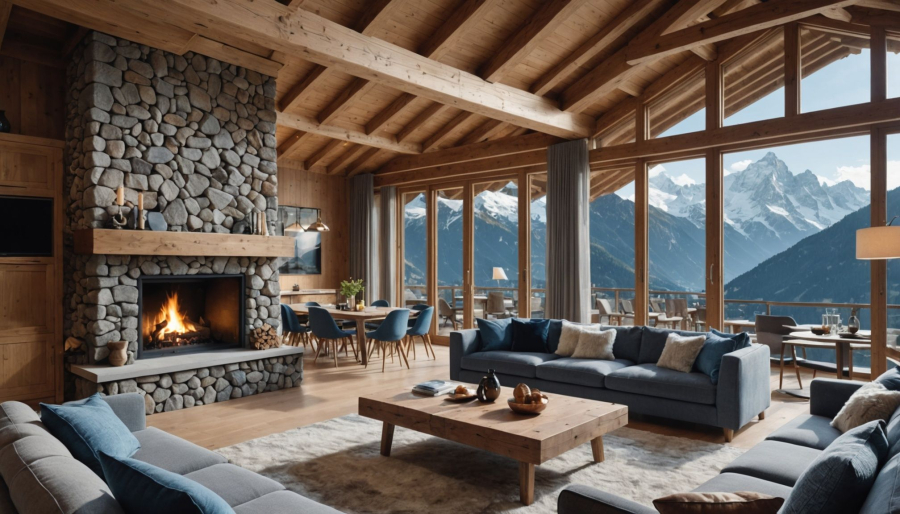
- High-end finishes (brushed wood, stone work) - Blends alpine authenticity with modern luxury
- Energy performance and modern thermal insulation - Critical for reducing heating costs and meeting evolving regulations
- Underground parking and ski locker availability - Adds practicality and security, especially in high-traffic areas
Investing in the alpine market: yield and heritage
The appeal of year-round rental potential
Chamonix isn’t just a winter destination. Its dual-season appeal sets it apart from many alpine resorts. While January and February draw skiers and mountaineers, the summer months bring trail runners, climbers, and hikers tackling the Haute Route or the Mer de Glace. This continuity sustains rental demand. Premium apartments with balconies, high-speed internet, and modern kitchens see occupancy rates above 60% annually, with peak weeks fully booked months in advance. Owners who opt for professional management often achieve strong returns, particularly in the 2- to 3-bedroom segment.
Valuation trends in the Mont-Blanc valley
Luxury real estate in the Haute-Savoie region has historically demonstrated resilience. Unlike more speculative markets, Chamonix property values have appreciated steadily, driven by limited supply and enduring international demand. The Mont-Blanc valley is seen as a safe-haven investment, especially during periods of economic uncertainty. Even as interest rates shift, high-end units in well-located residences maintain their worth. This stability isn’t accidental-it’s rooted in scarcity, prestige, and the timeless allure of the mountains.
Choosing the right neighborhood for your lifestyle
The vibrant town center vs. quiet hamlets
Living in Chamonix town center means being steps from Place de l’Église, boutique shops, and gourmet restaurants. The area buzzes with energy year-round, and everything is within walking distance. But for some, this vibrancy comes at a cost: noise, congestion, and fewer private outdoor spaces. That’s where quieter hamlets like Les Moussoux or Bois du Bouchet shine. These residential pockets offer larger plots, better insulation from crowds, and often more natural light due to lower building density. The choice isn’t just about preference-it’s about how you plan to use the property.
The prestige of Les Praz and Argentière
Les Praz is known for its understated elegance. It’s close enough to the lifts for convenience but removed enough to feel exclusive. Many high-profile buyers choose it for its balance of access and discretion. Argentière, further up the valley, has a grittier, more authentic character. It’s a favorite among serious climbers and off-piste skiers, with a strong local community and a legendary après-ski scene. The homes here tend to be more rustic, but they carry a certain credibility: this is where alpine culture runs deep. Depending on your rhythm-refined retreat or mountain basecamp-either could be the perfect fit.
Comparing property types in the Chamonix Valley
Standard vs. Premium residential services
Not all apartments offer the same level of service. Standard condominiums provide basic amenities and shared maintenance, but luxury residences go further. Think concierge desks, private spas, indoor pools, and fitness rooms. These features aren’t just perks-they influence rental premiums and resale appeal. A well-managed building with 24/7 support attracts both tenants and long-term buyers, especially those based abroad.
New developments versus authentic renovations
New-build apartments come with modern compliance, predictable running costs, and often, the possibility of VAT recovery under the LMNP scheme-a major advantage for investors. On the other hand, renovated historic properties offer character: exposed beams, stone walls, and architectural details you can’t replicate. While they may lack some energy certifications, their charm often outweighs the drawbacks for owner-occupiers. The decision hinges on whether you prioritize tax efficiency or emotional connection.
| Property Type | Key Features | Primary Advantage | Typical Buyer Profile |
|---|---|---|---|
| New-build apartments | Modern insulation, smart home systems, full DPE compliance | VAT recovery potential, lower maintenance | International investors, rental-focused buyers |
| Traditional renovations | Exposed wood, stone facades, alpine charm | Architectural authenticity, emotional appeal | Owner-occupiers, second-home enthusiasts |
| Concierge-serviced penthouses | Private terraces, spa access, 24/7 management | Premium pricing, high tenant satisfaction | High-net-worth individuals, luxury seekers |
Essential questions about Chamonix real estate
What is the feedback from international owners on the rental management of their apartments?
International owners consistently report high satisfaction with professional rental management services. When paired with concierge support, these systems handle check-ins, cleaning, seasonal preparation, and maintenance seamlessly-critical for absentee owners. Properties managed this way often achieve higher occupancy and better care, translating into stronger long-term performance.
Are there specific restrictions for buying a secondary residence as a non-resident?
France does not impose restrictions on foreign buyers purchasing secondary residences. Non-residents can acquire property under the same conditions as locals. The process is well-established, with notaires handling legal verification, tax assessments, and registration. While financing can be more complex for non-residents, many international banks and local lenders offer tailored mortgage solutions.
How are new eco-friendly technologies impacting the resale value of mountain properties?
Energy efficiency is now a decisive factor in pricing. Properties with high DPE ratings-especially those with heat pumps, triple glazing, and solar integration-command noticeable premiums. Buyers are increasingly aware of long-term operating costs, and alpine municipalities are tightening environmental standards. Future-proofing a property with green tech isn’t just responsible-it’s financially smart.
What guarantees do I have when buying an apartment off-plan (VEFA) in the valley?
Buying off-plan in France comes with strong legal protections. The garantie de financement de l’achèvement (GFA) ensures the project will be completed even if the developer fails. Additionally, the garantie décennale covers structural defects for ten years after delivery. These safeguards make VEFA purchases a secure option, provided they’re managed through reputable developers and legal advisors.
